Top Uses of Rattan Reed Sticks for Home Decor and Crafts?
Rattan Reed Sticks have gained popularity in home decor and crafts. Renowned designer Emily Chen states, "Rattan Reed Sticks bring nature into our homes." Their versatility allows for endless creativity.
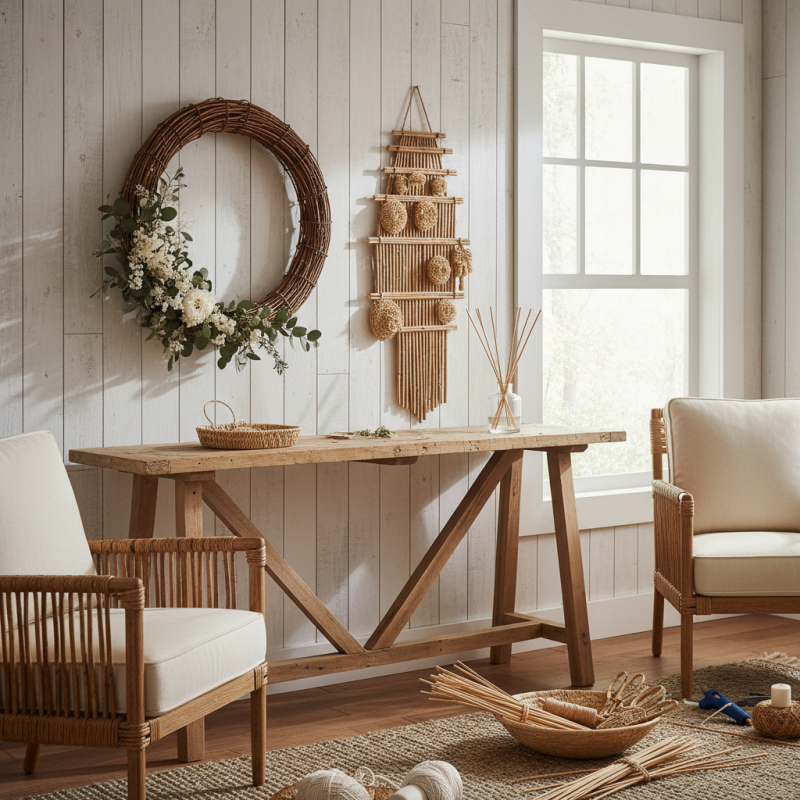
People use Rattan Reed Sticks for wreaths, wall hangings, and furniture accents. A simple arrangement can transform a dull corner. They can also evoke a rustic vibe. However, achieving the right aesthetic can be challenging.
Some may struggle with the balance between elegance and casual charm. Proper techniques are essential for crafting. Experimentation is key. Rattan Reed Sticks require patience to master. Missteps in design can lead to clutter. Reflecting on the unique characteristics of these sticks can inspire new ideas.
Uses of Rattan Reed Sticks in Home Decor
Rattan reed sticks have become increasingly popular in home decor. According to industry reports, the global market for natural fibers, including rattan, is expected to grow by 5% annually until 2026. This growth highlights the trend of using sustainable materials in our homes. Rattan sticks offer a unique texture that adds warmth and character to various settings.
These natural materials can be used in diverse ways. For instance, they serve as the foundation for handmade wall art, weaving intricate designs with other fibers. Many artisans use them to craft decorative baskets, which not only look great but also help organize spaces. Additionally, rattan sticks can be incorporated into furniture design, enhancing the aesthetic appeal of chairs or tables. The tactile quality of rattan engages the senses, making any room feel more inviting.
However, not all uses of rattan sticks are flawless. Some creators struggle with their durability, as improper handling can lead to breakage. Also, the color may fade over time if exposed to direct sunlight. Reflecting on these challenges is essential for achieving better results in future projects. Balancing aesthetics with practicality can create a more sustainable approach to using rattan in home decor.
Creative Craft Projects with Rattan Reed Sticks
Rattan reed sticks are versatile materials for creative projects. They come in various lengths and textures, making them perfect for many craft ideas. One interesting project is creating unique wall art. You can arrange the sticks in different patterns and colors. This adds a natural, earthy feel to your space. Using glue or string, connect the sticks securely. It might take time to get it right, but the final piece can look stunning.
Another fun idea is making decorative baskets. Using rattan reed sticks, you can weave a simple basket. Start with a few sticks as a base and build up the sides. It's a process that may not turn out perfect at first. However, each attempt will improve your skills. These baskets can store small items or serve as stylish centerpieces.
You can also create fun ornaments for special occasions. By cutting the sticks into smaller pieces, you can make seasonal decorations. Think of festive stars or simple shapes for holidays. While these projects can seem challenging, they offer a great way to express creativity. Each craft tells a story, reflecting your unique style and journey.
Top Uses of Rattan Reed Sticks for Home Decor and Crafts
| Use Case |
Description |
Materials Needed |
Skill Level |
| Wall Decor |
Create stylish wall hangings using rattan sticks to add texture to your space. |
Rattan sticks, wire, glue, decorations (like fabric or beads) |
Medium |
| Baskets |
Weave rattan sticks to create unique storage baskets. |
Rattan sticks, scissors, glue |
Advanced |
| Table Centerpieces |
Craft visually appealing centerpieces for dining tables using rattan. |
Rattan sticks, vase, floral arrangements |
Beginner |
| Lighting Fixtures |
Design hanging light fixtures with rattan for a bohemian touch. |
Rattan sticks, light bulb fixture, string lights |
Intermediate |
| Curtains |
Create unique window treatments by stringing rattan sticks. |
Rattan sticks, string, curtain rod |
Intermediate |
Innovative Ways to Customize Rattan Reed Stick Items
Rattan reed sticks are versatile tools in home decor and crafts. They can be easily customized to fit various styles. One innovative way is to create unique wall art. Combine the sticks with paints or stains. Experiment with colors that match your home’s theme. Arrange them in geometric shapes or organic patterns. This adds a personal touch to your space.
Another creative idea is using rattan sticks for plant displays. You can craft decorative plant stands. Tie several sticks together for stability, and paint them to suit your decor. Alternatively, make a macramé-style hanger using the sticks. This not only elevates your plants but transforms your overall aesthetic.
Creating furniture items from rattan can be challenging. It might require patience and skill. Perhaps a rattan coffee table? However, it's a rewarding endeavor that mirrors your creativity. You could also try making simple items like coasters or candle holders. With careful customization, rattan reed sticks can enhance any room. Just don’t rush the process; the imperfections can add character.
Top Uses of Rattan Reed Sticks for Home Decor and Crafts
Tips for Maintaining and Enhancing Rattan Reed Sticks
Rattan reed sticks are a popular choice for home decor and crafts. Their natural beauty and versatility make them suitable for various projects. However, maintaining these materials requires attention and care.
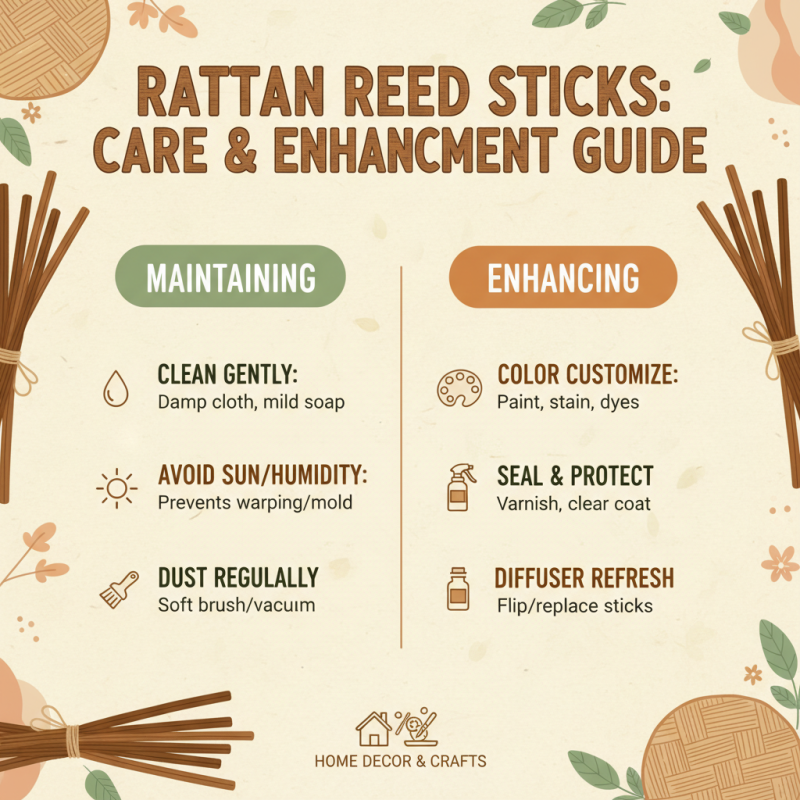
To keep your rattan reed sticks looking fresh, avoid direct sunlight. Prolonged exposure can cause fading and brittleness. Humidity levels also matter. A dry environment can lead to cracking. Ideally, store them in a cool, dark place when not in use.
When using rattan in crafting, occasional cleaning is essential. Dust can accumulate, detracting from their aesthetic appeal. A soft, damp cloth can gently remove dirt. However, harsh chemicals should be avoided as they can damage the fibers. For a long-lasting finish, consider applying a natural wood conditioner every few months. This can enhance the luster and maintain flexibility. Remember, rattan is organic and may show signs of wear over time. Embrace these changes as part of its charm.